Information Technology Systems
Information Technology Systems for efficient digital solutions and business operations.
What Are Information Technology Systems?
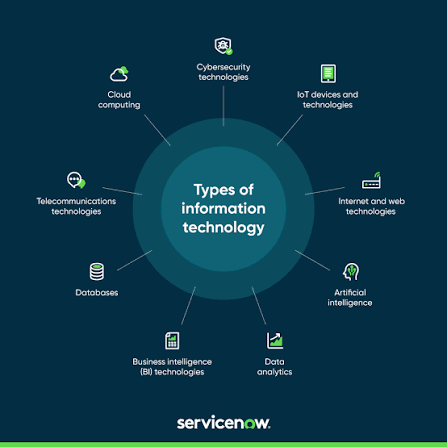
Information technology systems are tools and software that help businesses collect, store, manage, and share information.
These systems can include computers, cloud platforms, business software, databases, networks, and security tools.
In simple words, IT systems help a business keep its work organized and connected.
Why IT Systems Matter for Digital Business
A digital business needs quick access to information. IT systems make this possible by keeping important data in one place.
For example, a company can use technology to manage sales, customer details, payments, stock, and employee work.
Some key benefits include:
- Faster business operations
- Better customer service
- Easy access to information
- Lower paperwork and manual work
- Better communication between teams
- Improved data security
- Support for business growth
IT Systems and Business Growth
Technology can help businesses save both time and money. Many tasks that once required hours of manual work can now be completed in minutes.
For example, online accounting software can help a business track income and expenses without using large amounts of paperwork.
IT systems also help managers understand what is happening in their business. They can check sales, customer activity, and other useful information when making business decisions.
Cloud Technology
Cloud technology has changed the way businesses store and use information.
Instead of keeping everything on one office computer, businesses can use cloud services to access files and software from different locations.
This is especially useful for teams that work from home or from different cities.
Data and Business Decisions
Data is another important part of modern business. IT systems collect useful information that can help companies understand their customers.
For example, an online store can see which products customers view most often. The business can then use this information to improve its products and marketing.
A Simple Personal Example
I once worked on a small project where we managed customer information using spreadsheets. At first, it seemed easy.
But as the number of customers increased, finding information became slow and confusing. After moving the work to a simple business system, everything became much easier to manage.
That experience showed me how even a small business can benefit from the right IT system.
How IT Supports the Future
Technology is changing quickly, and businesses need to keep up with these changes.
Modern IT systems can support areas such as:
- Online shopping
- Remote work
- Digital payments
- Customer support
- Business analytics
- Cybersecurity
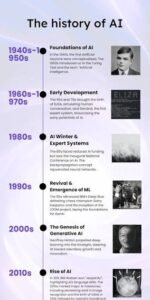
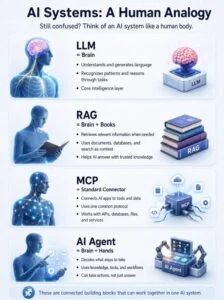
- Artificial intelligence
- Mobile business apps
But here is an important question: Can a modern business really grow without using the right technology?
For many businesses, the answer is becoming harder to ignore.
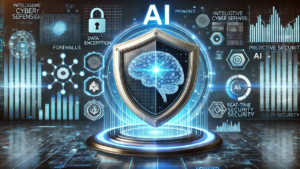
IT Security Is Also Important
As businesses move more activities online, protecting information becomes very important.
Companies need to protect customer details, payment information, business files, and employee data.
Simple security steps can make a big difference, such as:
- Using strong passwords
- Keeping software updated
- Training employees
- Using secure networks
- Backing up important data
The Future of Digital Business
The future of business will continue to depend on technology. Companies that use IT systems wisely can improve their daily work and provide better experiences for customers.
However, technology alone is not enough. Businesses also need skilled people who know how to use these systems properly.
The goal should be simple: use technology to solve real problems and make work easier.
Conclusion
Information technology systems are now a key part of modern digital business. They help companies manage information, improve communication, save time, protect data, and support growth.
As technology continues to develop, IT systems will play an even bigger role in the business world.