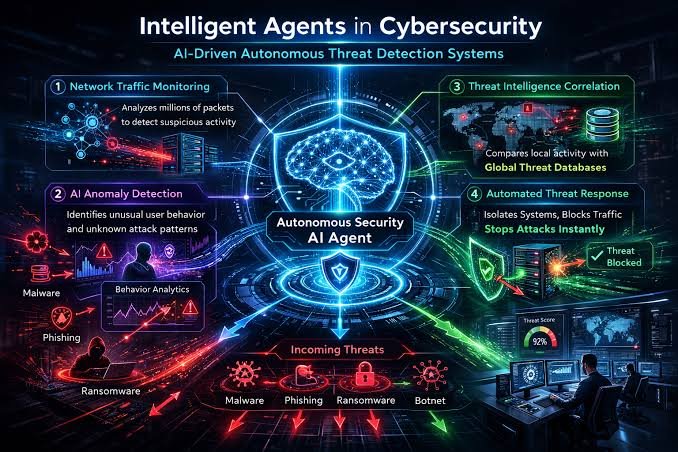
AI Security Protecting Intelligent

AI Security in 2026: Protecting Intelligent Systems from Emerging Cyber Threats
AI is becoming a normal part of our daily life. We use it for work, shopping, customer service, writing, coding, and many other tasks.
But as AI becomes more useful, keeping it safe is also becoming more important. AI security helps protect intelligent systems, private data, and the people who use them.
What Is AI Security?
AI security means protecting AI systems from harmful actions, data leaks, and cyber attacks.
Think of an AI system like a smart digital worker. Just like you would protect your computer with a password and security software, AI systems also need protection.
Good AI security can help prevent:
- Data theft
- Fake or harmful information
- Unauthorized access
- System attacks
- Private information leaks
- Misuse of AI tools
Why AI Security Matters in 2026
AI tools are handling more information than ever. Many businesses now use AI to help with customer support, business decisions, content, and data.
If someone gets access to an AI system, they may try to change its behavior or access information that they should not see.
That is why companies need to think about security from the beginning instead of adding it later.
Common AI Security Threats
AI systems can face different types of threats. Some are simple, while others can be harder to notice.
1. Data Leaks
AI systems may work with private business or customer information. If that data is not protected properly, it could be exposed.
Companies should control what information AI tools can access.
2. Fake Information
AI can sometimes give wrong information. Attackers may also try to make an AI system provide misleading answers.
For important tasks, human checking is still useful.
3. Unauthorized Access
Not everyone should have full access to an AI system.
Strong passwords, user permissions, and regular security checks can help keep unwanted users away.
4. Harmful Instructions
Attackers may try to give an AI system special instructions that make it ignore normal rules.
For this reason, AI systems need clear limits and regular testing.
A Simple Example From My Experience
I once tested an AI tool for a simple work task. At first, I was impressed by how quickly it handled information.
Then I noticed that I had given it more information than it actually needed.
That small experience taught me an important lesson: just because an AI tool can use information does not mean it should have access to everything.
Since then, I always think about what information I am sharing before using an AI tool.
How Can We Protect AI Systems?
You do not need to make security complicated. Start with simple steps.
- Use strong passwords and secure accounts.
- Give users only the access they need.
- Keep software and security tools updated.
- Avoid sharing unnecessary private information.
- Check AI results before using them for important decisions.
- Test AI systems regularly.
- Keep backups of important data.
- Train employees about safe AI use.
What Should Businesses Do?
Businesses should create clear rules for using AI.
They should decide what information AI tools can access and who can use them.
Regular security testing is also important. Finding a small problem early can prevent a much bigger problem later.
But have you ever wondered what could happen if an AI system had access to your private data without proper protection?
That is exactly why AI security should not be treated as an optional feature.
The Future of AI Security
AI will continue to grow in 2026 and beyond. As these tools become more powerful, security will need to grow with them.
The goal is not to stop using AI. The goal is to use it in a safer and smarter way.
People and businesses can benefit from AI while still protecting their data, systems, and users.
Conclusion
AI security in 2026 is about protecting intelligent systems from new and growing threats.
Simple steps like controlling access, protecting data, testing systems, and checking AI results can make a big difference.